Living in an apartment means making the of a smaller footprint — including how you care for your furniture. If you’ve ever put off getting your sofa cleaned because you couldn’t face a wet couch for two days in a compact living room, low-moisture upholstery cleaning might be the answer you’ve been looking for.
This method has become increasingly popular across Australian cities, particularly for high-rise and apartment living where drying time, water access, and shared spaces all matter. In this guide, we’ll break down exactly what low-moisture cleaning involves, how it stacks up against traditional steam cleaning, and when it’s the smarter choice for your home.
If you’re after a trusted upholstery cleaning service that understands apartment living, you’re in the right place.
What Is Low-Moisture Upholstery Cleaning?
Low-moisture upholstery cleaning is exactly what it sounds like — a cleaning method that uses minimal water to lift dirt, dust, and stains from fabric without saturating the material. Instead of flooding the fibres with hot water, solutions use methods like dry foam application, encapsulation cleaning, or low-moisture solvents that break down grime and are then extracted or brushed away.
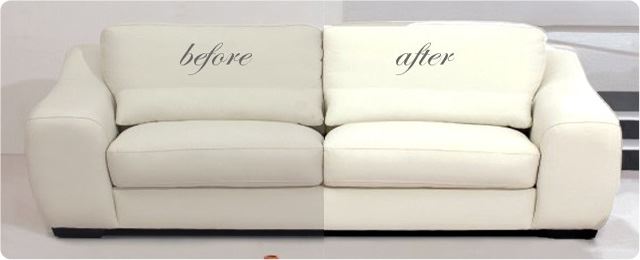
The result is a sofa that looks refreshed without the lengthy drying window associated with wetter methods. For a closer look at one popular technique, our guide on dry foam cleaning for delicate upholstery explains how it works on sensitive fabrics.
How It Differs from Steam Cleaning and Hot Water Extraction
Steam cleaning and hot water extraction both rely on injecting water (often heated) deep into the upholstery fibres, then extracting it with suction. These methods are excellent for deep, deep-set grime but leave fabric noticeably damp for several hours — sometimes a full day or more.
Low-moisture cleaning, on the other hand, uses a fraction of the water. Cleaning agents are applied as a foam or fine mist, agitated into the fibres to lift dirt, then removed along with the loosened debris. There’s no deep saturation, which is the whole point.
If you want a detailed side-by-side, we’ve compared the two approaches in hot water extraction vs steam cleaning upholstery and steam vs dry cleaning: which is professional for your couch.
Why It’s Ideal for Apartments and High-Rise Living?
Apartments come with unique constraints: limited floor space, shared hallways, strata rules, and often less airflow than a standalone house. A sofa that stays wet for 24+ hours isn’t just inconvenient — in a smaller space, it can affect how you use your living room entirely.
Low-moisture cleaning sidesteps these issues. Because so little water is used, there’s less risk of moisture seeping into carpets, floorboards, or the subfloor below — a genuine concern in apartment blocks where water damage can affect neighbouring units.
Key Benefits
Faster Drying Times
Most low-moisture cleaned sofas are dry to the touch within 1–2 hours, compared to a full day or more with steam cleaning.
Less Water Usage
Using significantly less water makes this method more sustainable, particularly relevant in Australian cities where water conservation is often front of mind.
Reduced Risk of Mould and Mildew
Excess moisture trapped in cushioning is one of the leading causes of mould in upholstery. Our article on getting rid of mould from upholstery covers why this matters, especially in humid or poorly ventilated apartments.
Minimal Disruption
No need to block off your lounge room for a day. Low-moisture cleaning fits neatly into a busy schedule, which matters if you’re renting, working from home, or simply short on space.
Best Fabrics for Low-Moisture Cleaning
Not every fabric responds the same way to low-moisture methods. It tends to work particularly well on:
- Suede and faux suede — see our suede upholstery care guide for fabric-specific advice
- Velvet — a fabric that can water-mark easily; our velvet sofa cleaning guide explains why
- Linen blends — prone to shrinking or watermarking with wetter methods, as outlined in our linen upholstery cleaning guide
- Polyester and synthetic blends — generally durable but still benefit from reduced moisture exposure, covered in our polyester upholstery cleaning guide
When Deep Steam Cleaning May Still Be Needed?
Low-moisture cleaning isn’t a one-size-fits-all solution. For heavily soiled sofas, deep-set pet odours, or upholstery that hasn’t been cleaned in several years, hot water extraction may still be the better option to fully flush out embedded grime and allergens. We break this down further in steam vs dry upholstery cleaning: which is better.
DIY Maintenance Tips Between Professional Cleans
- Vacuum weekly using an upholstery attachment to prevent dirt building up in the fibres
- Blot spills immediately rather than rubbing them in
- Rotate cushions regularly to even out wear
- Keep sofas away from direct sun exposure to prevent fading
- Air out your living space regularly to reduce humidity build-up, particularly important given how DIY sofa cleaning often falls short in humid Australian cities
Common Mistakes to Avoid
- Over-wetting fabric during DIY spot cleaning, even with “low-moisture” products
- Skipping a patch test before using any new cleaning solution
- Using the wrong cleaning agent for the fabric type
- Ignoring manufacturer care labels, which often specify water-based or solvent-based cleaning only
- Waiting too long between cleans, letting dirt embed deeper into fibres
When to Hire Professional Upholstery Cleaners
While DIY maintenance helps between cleans, professional attention is worthwhile for stubborn stains, allergy management, or simply restoring a sofa’s appearance without risking fabric damage. Professionals also know how to maintain upholstery properly after a clean to extend the results. If cost is a factor in your decision, our guide on how much professional couch cleaning costs can help you plan ahead.
FAQs
Ques 1. Is low-moisture cleaning safe for all upholstery fabrics?
Ans. Most fabrics respond well, but always check care labels first — some fabrics require water-based cleaning specifically.
Ques 2. How long does a low-moisture clean take to dry?
Ans. Typically 1–2 hours, depending on fabric thickness and ventilation.
Ques Does low-moisture cleaning remove odours as effectively as steam cleaning?
Ans. It handles surface-level odours well, though deep-set smells may still need hot water extraction.
Ques 4. Can I do low-moisture cleaning myself?
Ans. Light maintenance is possible with the right products, but professional methods achieves more thorough results.
Ques 5. Is low-moisture cleaning more expensive than steam cleaning?
Ans. Pricing varies by provider, but it’s generally comparable, sometimes slightly less due to reduced drying and setup time.
Ques 6. Will low-moisture cleaning fade my sofa’s colour?
Ans. No — when done correctly, it’s gentle on dyes and less likely to cause watermarking than wetter methods.
Ques 7. How often should apartment sofas be professionally cleaned?
Ans. Every 6–12 months is a general guideline, though pet owners or high-traffic households may need more frequent cleans.
Ques 8. Is low-moisture cleaning better for allergy sufferers?
Ans. It’s effective at reducing surface allergens, though households with significant allergy concerns may benefit from a deeper clean periodically.
Conclusion
For apartment living, low-moisture upholstery cleaning offers a practical balance of convenience, hygiene, and fabric care — without the lengthy drying times or space disruption that come with steam cleaning. It’s not always a full substitute for deep extraction methods, but for regular maintenance, it’s hard to beat.
Ready to book a low-moisture clean for your apartment sofa? Get in touch with Squeaky Clean Sofa today for a fast, professional service tailored to your living space.