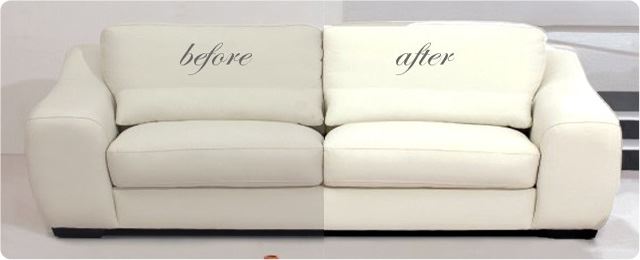
When it comes to keeping your furniture clean and looking fresh, choosing the right cleaning method matters. Many Australians hear about hot water extraction vs steam cleaning upholstery and assume they’re the same, but they work quite differently. Each method affects the fabric, drying time, and cleaning results in its own way.
This guide breaks down the key differences, pros and cons, and when to choose each option. It’s designed to help homeowners and businesses in Australia make the best decision for their upholstery care.
What Is Hot Water Extraction?
Before comparing upholstery cleaning methods Australia, it’s important to understand what hot water extraction actually means.
Hot water extraction (often called HWE) uses heated water mixed with a mild cleaning solution that is sprayed deep into the upholstery fibres. Immediately after, the same machine extracts both the water and the loosened dirt using strong suction. This double action of rinsing and extracting removes soil, stains, and allergens that sit below the surface.
It’s one of the most effective professional upholstery cleaning methods because it cleans deeply without leaving detergent residue behind. Most Australian cleaning companies rely on HWE for lounges, mattresses, and car seats because it’s both thorough and fabric-safe when used correctly.
What Is Steam Cleaning?
The difference between hot water extraction vs steam cleaning upholstery becomes clearer once you know what steam cleaning does. Steam cleaning uses extremely hot vapour to sanitise the fabric surface. It kills bacteria, mould, and dust mites using heat instead of detergent.
While this method can be great for disinfecting, it doesn’t always rinse out embedded dirt or remove stains. Since the process uses less water, drying times are faster, but there’s also a higher chance of leaving behind residue or trapped odours. Steam cleaning is best suited for durable fabrics or when the goal is quick sanitisation rather than deep soil removal.
Comparison: Hot Water Extraction vs Steam Cleaning
Right after learning both techniques, it’s easier to compare these upholstery cleaning methods Australia offers. Each method has unique strengths and weaknesses depending on fabric type, cleaning needs, and local climate.
Hot Water Extraction – Pros and Cons
Pros:
- Cleans deep into fibres and removes stubborn stains effectively. If you ever tackled oil-based stains, such as in How to Remove Castor Oil Stains from Your Lounge Chair that article shows how deep cleaning is key.
- Great for allergy sufferers as it extracts dust mites and pet dander.
- Leaves upholstery fresher for longer because it rinses out detergent residues.
- Suitable for most synthetic fabrics used in Australian homes.
Cons:
- Requires more drying time, especially in humid areas.
- Needs professional machines and skill to prevent overwetting.
- Slightly higher cost due to equipment and expertise required.
Steam Cleaning – Pros and Cons
Pros:
- Kills bacteria and germs using natural heat.
- Uses less water, leading to faster drying times.
- Eco-friendly option when avoiding detergents. For example, for lighter refreshes see Cleaning Upholstery Without Chemicals.
Cons:
- May not remove deep-set stains or dirt. If you’re dealing with old set-in stains, check 7 Easy Ways to Get Rid of Old Stains from Upholstery.
- Can cause shrinkage or colour fading on delicate materials.
- Doesn’t always extract residues, which can lead to faster re-soiling.
In short, hot water extraction focuses on deep fibre cleaning, while steam cleaning focuses on surface sanitisation.
Which Method Works Best in Australian Conditions?
Australia’s climate and lifestyle play a big role in which method you choose. Many professional upholstery cleaning methods are adjusted for humidity, temperature, and fabric types common in local homes.
- Humidity and drying: In coastal and tropical areas, where drying can take longer, proper extraction is key. HWE machines remove most of the water, reducing the chance of mould. See Best Ways to Get Rid of Mold From Upholstery for how extraction protects.
- Fabric diversity: Australian furniture often uses synthetic blends, microfibres, and wool. HWE can be adjusted for temperature and pressure, making it safe for these fabrics. For microfibre-sofa specific guides, check How To Get Microfiber Sofa Looking Spotlessly Clean.
- Allergy and pets: Homes with pets or allergy-prone residents benefit from HWE, as it removes dander, pollen, and odours effectively. If you clean leather lounges professionally, you’ll know how thorough the job must be — similar to techniques in How Professionals Clean Leather Lounge?.
- Commercial needs: Businesses that need fast turnaround (like cafes or offices) may prefer steam cleaning due to shorter drying time, even if it’s a lighter clean.
Both methods can work well, but HWE generally offers more consistent results for deep cleaning across Australia’s varied conditions.
When to Choose Each Method
Right after identifying your fabric type and soil level, the difference between hot water extraction vs steam cleaning upholstery becomes practical. The following points can help you decide:
Choose Hot Water Extraction When:
- Upholstery has visible stains, heavy soil, or pet odour.
- Fabric can handle moisture and heat safely.
- You want a long-lasting deep clean.
- Allergies or asthma are concerns in the household.
Choose Steam Cleaning When:
- Fabric is robust and needs quick sanitisation.
- You’re after a light refresh between deeper cleans.
- You want to reduce chemical use and prefer a heat-only approach.
Always ask your cleaner which technique they actually use because many companies advertise “steam cleaning” but perform hot water extraction instead.
Beyond the Basics – What Most People Don’t Know
Many guides talk about the difference between these upholstery cleaning methods Australia, but there are several extra points that matter for Australian homeowners.
- Energy and water efficiency: Steam cleaning often uses less water, but hot water extraction’s rinse cycle ensures more thorough dirt removal. In regions where water efficiency is key, this can influence your choice.
- Fabric warranty: Some upholstery warranties specifically recommend hot water extraction. Using the wrong method could void warranty coverage on new sofas or office chairs.
- Post-cleaning care: After hot water extraction, good airflow is essential. Open windows, use fans, or dehumidifiers to speed up drying and prevent mildew in humid areas.
- Hybrid cleaning methods: Some professionals combine steam sanitising with a light extraction rinse for the best of both worlds. This hybrid method provides disinfection and deep cleaning together.
- Eco-friendly detergents: Many Australian cleaners now use plant-based or biodegradable products in HWE machines, offering a greener clean without harsh chemicals.
Health Benefits of Professional Upholstery Cleaning
While both methods clean effectively, professional upholstery cleaning methods deliver health benefits that go beyond looks. Clean upholstery helps improve indoor air quality, especially in homes with pets, children, or allergy sufferers.
Regular professional cleaning removes invisible contaminants like dust mites, pollen, and bacteria that build up over time. HWE, in particular, extracts these allergens rather than just killing them with heat, which makes a big difference for respiratory health.
Clean furniture also lasts longer. Dirt and oils that settle into fabric fibres can cause wear and tear, making the material break down faster. Keeping upholstery clean reduces the need for early replacement and helps furniture stay comfortable and presentable. See our guide Effective Sofa Cleaning – Methods for Various Materials for more on lifespan maintenance.
Quick Checklist for Choosing the Right Service
When you compare professional upholstery cleaning methods in Australia, use this checklist before booking a service:
- Check the care label on your upholstery (look for W, S, WS, or X codes).
- Ask your cleaner if they use extraction after rinsing.
- Confirm the expected drying time for your climate.
- Make sure the technician is certified and experienced with your fabric type.
- Request a detailed quote that lists method, pre-treatment, and drying process.
- Ask about eco-frienly products and allergen treatment options.
- Use fans or open windows to help speed up drying after the service — see Drying Damp Sofas Faster for more tips.
Conclusion
When it comes to keeping your couches, chairs, and soft furnishings fresh, knowing the difference between hot water extraction vs steam cleaning upholstery can save you time and money. Many Australians think these cleaning methods are the same, but they work in very different ways. One focuses on deep fibre cleaning, while the other targets surface sanitisation using high heat. Choosing the right method depends on your fabric type, level of dirt, and desired results. In this article, we’ll break down both techniques to help you decide which is best for your home or business in Australia.